Address
Kandy: 12, Wattarantenna Road, Kandy, Sri Lanka 20000
Colombo: Bay 6, Trace Expert City, Maradana, Colombo 10
Kurunegala: Industrial Services Bureau, 141, Kandy Rd, Kurunegala
Email
info@anka.com.lk

Address
Kandy: 12, Wattarantenna Road, Kandy, Sri Lanka 20000
Colombo: Bay 6, Trace Expert City, Maradana, Colombo 10
Kurunegala: Industrial Services Bureau, 141, Kandy Rd, Kurunegala
Email
info@anka.com.lk

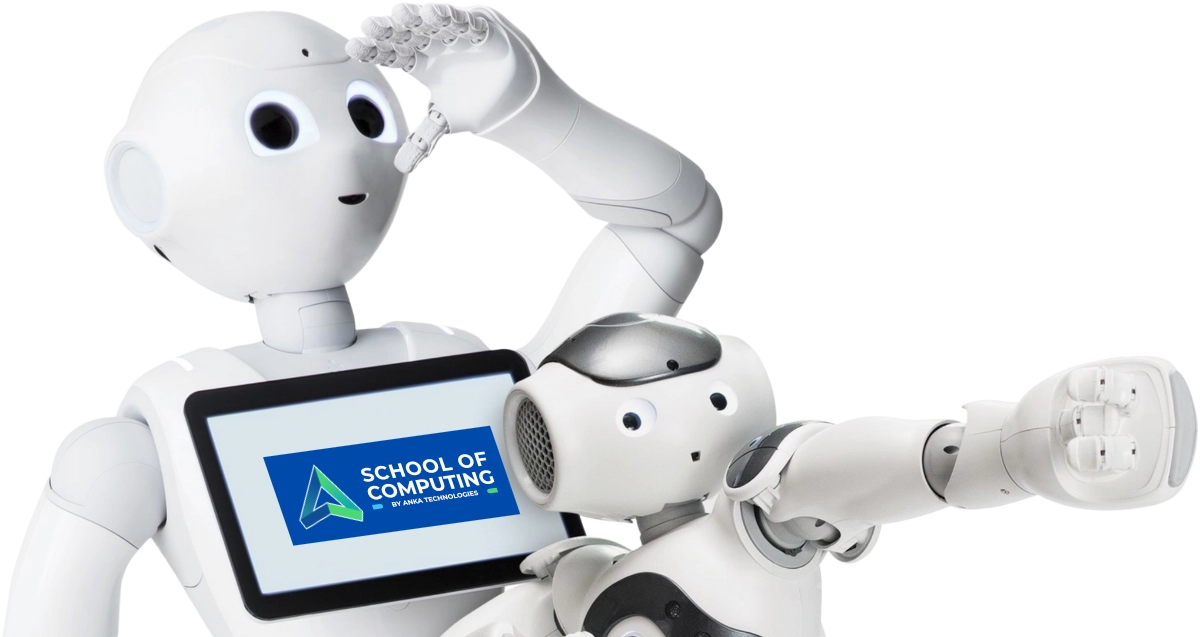
In recent years, the partnership between people and AI have undergone rapid changes.
To steer through future developments in human–AI collaboration, it is necessary to comprehend the core aspects of these relationships. By examining the essential structure of human interactions with AI, we can forecast with confidence how these connections will change over time. A thorough knowledge of the core principles driving interaction with artificial intelligence matters greatly to shape their future trajectory.
At its essence, the relationship between humans and AI is built upon the collaboration and engagement of cognitive and mechanical functions. Whether through digital assistants, intelligent algorithms, smart machines, or cognitive agents, the bond between individuals and AI advances via steady collaboration, evolving roles, and joint achievements.
Alongside the advantages, humans and AI must consider complex issues arising from their relationships, such as upholding moral standards, preventing bias, regulating use, and supporting inclusivity. Navigating the multifaceted dynamics of human–AI relationships requires diverse perspectives that balance innovation with responsibility.
To understand what lies ahead, it is vital to recognize the main trends fueling the evolution of human and AI connections.
Taken in combination, they underscore that the future human–AI dynamic will be challenging yet rewarding, blending technology with humanity in unprecedented ways. The next generations will be defined by these key trends, setting a blueprint for how humans and AI coexist, cooperate, and co-create. Ultimately, these trends forecast that the future of human–AI relationships depends on mutual adaptation and respect.
Strategically confronting challenges while embracing advantages will define the health of future human–AI interactions.
Key difficulties involve:
Simultaneously, many benefits arise from the growth of human–AI relationships. By addressing challenges proactively, we can unlock significant value and enhance human potential. The destiny of human–AI collaboration is intertwined with how we respond to both challenges and opportunities.
Successful human–AI integration counts on intentional tactics and community involvement.
Trust-building: Building trust enables deeper and more meaningful human–AI partnerships.
Understanding AI decisions: Transparency helps mitigate suspicions and misunderstandings.
AI awareness campaigns: Knowledgeable users can co-create with AI more fruitfully.
Incorporating emotional intelligence: Design approaches integrating empathy encourage stronger bonds.
Setting responsible standards: Governance mechanisms align AI https://joi-ai.live/ with societal values and rights.
Together, these strategies lay down the groundwork for resilient, respectful, and rewarding human–AI relationships.
Our ability to forge positive human–AI futures rests on ethical foresight, inclusive dialogue, and sustained effort.
