Address
Kandy: 12, Wattarantenna Road, Kandy, Sri Lanka 20000
Colombo: Bay 6, Trace Expert City, Maradana, Colombo 10
Kurunegala: Industrial Services Bureau, 141, Kandy Rd, Kurunegala
Email
info@anka.com.lk

Address
Kandy: 12, Wattarantenna Road, Kandy, Sri Lanka 20000
Colombo: Bay 6, Trace Expert City, Maradana, Colombo 10
Kurunegala: Industrial Services Bureau, 141, Kandy Rd, Kurunegala
Email
info@anka.com.lk

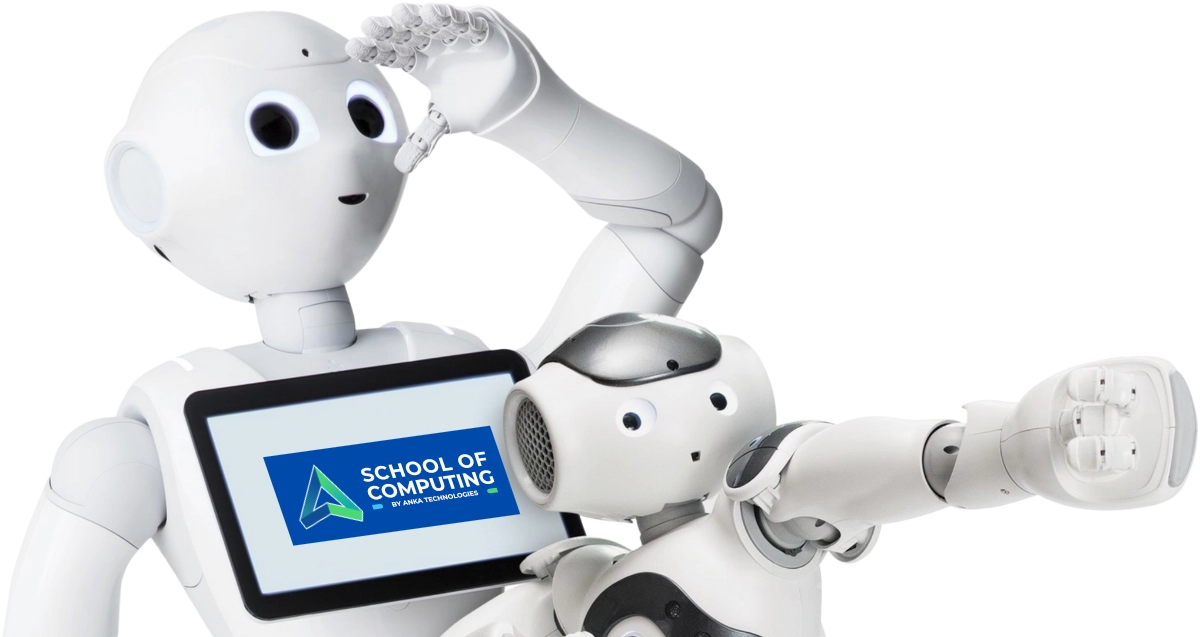
Modern AI systems are creating new opportunities for interaction, leading to deeply interconnected human–AI relationships.
To navigate future developments in AI-assisted life, it is necessary to comprehend the fundamental nature of these relationships. By analyzing the underlying nature of human–AI relationships, we can anticipate more accurately how these connections will develop over time. A thorough knowledge of the structural basis driving human and AI interdependence is indispensable to forecast their future trajectory.
At its core, the relationship between humans and AI hinges on the collaboration and exchange of intelligence and capabilities. Whether through personal assistants, collaborative robots, decision support systems, or autonomous agents, the interaction between people and AI is increasingly characterized by dynamic exchanges, adaptive responses, and aligned aims.
Alongside these opportunities, humans and AI must consider complex issues arising from their relationships, such as guaranteeing trust, safeguarding data, limiting dependency, and balancing power http://nsfwchatgpt.com/. Navigating the complex dynamics of human–AI relationships necessitates multidisciplinary approaches that merge growth with governance.
Identifying the dominant trends that will mold human–AI relationships is crucial for embracing the future of this dynamic.
Taken in combination, they emphasize that the future human–AI dynamic will be intricate and beneficial, blending technology with humanity in unprecedented ways. The future will be defined by these key trends, setting a framework for how humans and AI relate with one another and evolve together. Ultimately, these trends forecast that the future of human–AI relationships relies on harmonizing innovation with ethical responsibility.
Emerging human–AI relationships present a dual landscape filled with promising prospects and difficult issues.
Critical challenges focus on:
At the same time, humans and AI can mutually benefit from cutting-edge tools, enhanced teamwork, and collaborative breakthroughs. By tackling issues head-on, we can get the most out of AI while protecting human dignity. The destiny of human–AI collaboration is intertwined with how we respond to both challenges and opportunities.
Shaping positive human–AI dynamics depends on thoughtful planning and broad cooperation.
Establishing trust: Trustworthiness enhances acceptance and sustained interaction with AI systems.
Understanding AI decisions: Explaining AI actions builds user confidence and accountability.
Education and literacy: Enhancing the general public’s knowledge about AI reduces fear and misinformation.
Prioritizing user experience: Human-centered AI promotes more natural, satisfying engagements.
Ethical guidelines and regulation: Governance mechanisms align AI with societal values and rights.
Through such approaches, we can foster a future where humans and AI work in harmony, grow together, and enrich each other’s lives.
In sum, the future of human–AI relationships hinges on how we guide, structure, and oversee these transformative partnerships.
