Address
Kandy: 12, Wattarantenna Road, Kandy, Sri Lanka 20000
Colombo: Bay 6, Trace Expert City, Maradana, Colombo 10
Kurunegala: Industrial Services Bureau, 141, Kandy Rd, Kurunegala
Email
info@anka.com.lk

Address
Kandy: 12, Wattarantenna Road, Kandy, Sri Lanka 20000
Colombo: Bay 6, Trace Expert City, Maradana, Colombo 10
Kurunegala: Industrial Services Bureau, 141, Kandy Rd, Kurunegala
Email
info@anka.com.lk

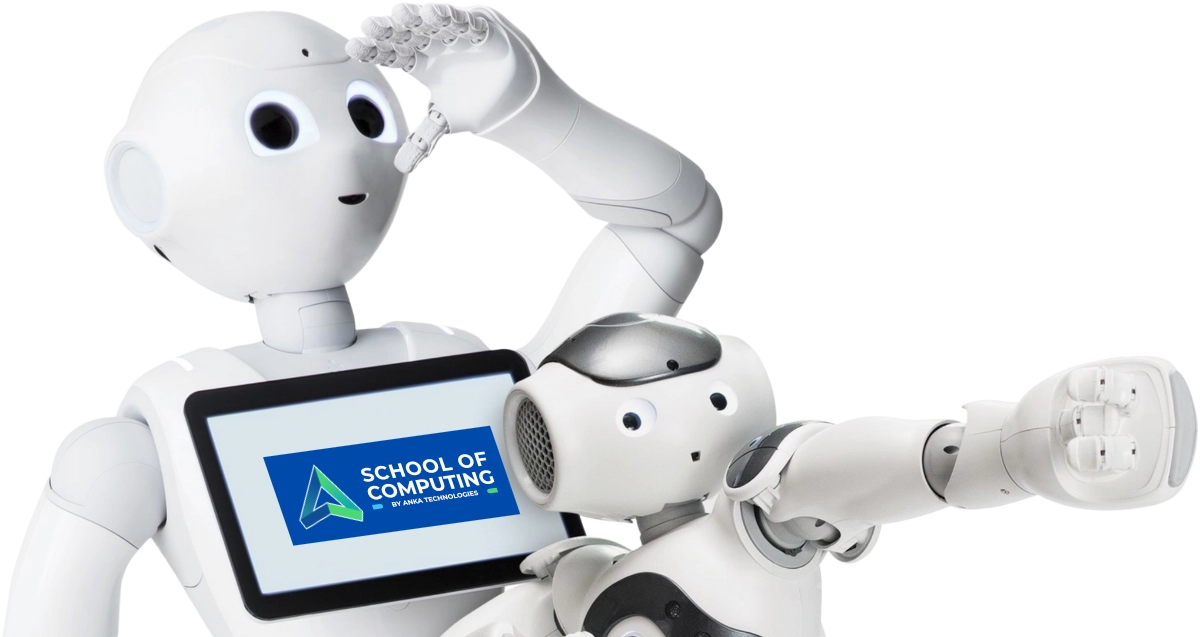
The evolution of AI companions has radically changed human-computer communication methods in recent years. Key progress has centered on breakthroughs in voice and visual interactions, making AI companions more intuitive. The integration of sophisticated voice synthesis with advanced visual rendering delivers more immersive, natural, and engaging interfaces for users.
This article dissects the multiple layers of modern AI companions’ speech and graphic capabilities, highlighting practical implications and future opportunities. The discussion traverses the initial milestones in digital voice to today’s highly nuanced, context-aware, visually dynamic AI companions, revealing how complex these systems have become.
Only by understanding these spoken and visual advancements can we grasp thoroughly how digital companions are earning their place as trusted partners. Let us embark on a detailed journey into the heart of AI’s voice and visual ingenuity.
Early AI systems couldn’t render dynamic speech patterns that today’s voice-enabled companions possess. The earliest speech-enabled programs simply replicated text-to-speech with little variation, feeling unnatural and distant.
Modern AI companions are powered by deep learning models that replicate human intonation, rhythm, and inflection. Personalization features offer users the chance to customize tone, pace, gender, and accent of AI voices—ensuring each interaction feels tailored.
Another key facet is the integration of emotional intelligence and speech recognition. Speech-to-emotion mapping bridges the gap between cold automation and warm, supportive interaction.
With multilingual support, contextual awareness, and seamless switching between languages or dialects, today’s AI companions break communication barriers, catering to global audiences effortlessly.
Visual features provide the foundation for intuitive interactions in AI companions. Graphical representations once limited to bland graphics now display subtle facial movements, gaze, and body language.
The primary benefit is the visual communication of empathy, engagement, and intention. Personalized avatars reflect user preferences in style, color, and expression, reinforcing a sense of connection.
Further still, AI visual tools support different abilities by providing clear, expressive, and user-friendly cues. Smiling or frowning avatars give feedback, celebrating achievements or showing understanding of difficulty.
The latest trend sees AI visuals superimposed into users’ environments, blending digital and physical seamlessly. The synergy of animation, computer vision, and creative design is setting new standards in user experience.
Though powerful on their own, synergy between speech and vision is the hallmark of the latest AI companions. AI companions now match vocal tone with visual gestures—smiling when they congratulate, displaying empathy visually and audibly, and animating reactions to mirror conversation.
This fusion of modalities leads to cognitive ease, comfort, and delight for users. Subtle changes in facial expressions can reassure a nervous user while calm, steady speech soothes anxiety.
The seamless orchestration of voice and visuals relies on deep learning, real-time processing, and advanced behavioral modeling. The multidisciplinary approach blends linguistic science, animation, computer vision, and affective computing to deliver multimodal brilliance.
AI companions now prioritize the customization of speech and visual representation for each user. This enables users to feel understood, supported, and valued—regardless of background, age, culture, or ability.
Responsive AI systems allow everyone to interact comfortably—no matter their sensory, emotional, or cognitive differences. Customization options let users experiment with avatars’ appearance, voice, and mannerisms until the digital companion feels like a true ally.
Progress in personalization and accessibility is ongoing, shaped by user feedback and research in psychology, linguistics, and design.
The next wave of progress will redefine how people interact with digital assistants on a sensory and emotional level. Voice synthesis will achieve even higher realism, with voices virtually indistinguishable from real humans—capturing mood, intent, and individuality.
At the same time, developers are focusing on ethics, privacy, and transparency in the use of advanced voice and visual technology.
Visual and voice-based AI companions will play key roles in healthcare, mental wellness, social engagement, and lifelong learning.
In summary, the interplay of voice and visuals has reshaped not only how AI works but also how it is experienced by users. The story of voice and visual integration in AI companions is ongoing, inviting all of us to participate in its next chapter.
Whether seeking guidance, companionship, or entertainment, today’s AI companions offer an experience both practical and profoundly human.
The journey of AI companions has sparked a revolution in user experience. Driven by advances in voice and visual domains, new AI companions emerge as relatable and highly interactive.
This article expands on why seamless voice and visual integration is so valuable. Technological synergy between language and imagery enables everyday users to enjoy conversations, coaching, and socialization with virtual beings as never before.
Understanding these verbal and visual edge is essential to appreciating their impact. Prepare to gain new perspectives on why the co-evolution of voice and vision is making digital assistants indispensable.
In the early days, digital assistants communicated with static, emotionless voices that disconnected users. Present-day systems wield advanced speech synthesis, context awareness, and personalized delivery for every user.
Modern AI companions blend text-to-speech with real-time prosody adjustment, switching tones, speeds, and emotions to suit each conversation. State-of-the-art AI voices feel less like tools and more like sensitive, supportive communicators.
Looking ahead, voice features are set to become even smarter and more intuitive through further research.
AI companions’ visual aspects are now foundational to modern user satisfaction. Growth in animation tech lets virtual agents adopt unique mannerisms, gestures, and even personalized attire or background.
More than appearance, visual technologies empower users. Visual feedback can reinforce positive behaviors, illustrate mistakes gently, or motivate user progress.
With the addition of dynamic backgrounds, themed facial features, or adaptive lighting, AI companions can mirror moods, events, or achievements.
True AI excellence comes from the synergy of speech and visual engagement. AI can keep eye contact visually while speaking reassuringly, or nod while voicing agreement—mirroring real conversational habits.
Continuous refinement makes multimodal AI companions more responsive, insightful, and adaptive with every generation.
With the ongoing advance of sensors, cameras, and context-aware systems, AI companions will soon react to subtle changes in user mood, body language, or environment.
Tailored voice and visual options are democratizing digital companionship, ensuring no one is left behind. Support for neurodivergent users is growing, with tailored conversation pacing, attention cues, and adaptive feedback systems.
Ethical design principles demand that personalization is always balanced with safety and respect for user preference.
Universal design in AI means no one is limited by ability, language, or experience—from novice to expert.
In the coming years, AI companions will reach dizzying new heights in voice and visual complexity. Visuals may soon blend video realism with comic expressiveness, offering on-demand customization for every scenario.
Open standards and digital literacy will empower users to shape their AI’s development and monitor its behavior.
With each leap in realism, customization, and ethics, AI companions narrow the gap between digital and human relationships.
AI companions define a new era of interactive technology. They break new ground by merging articulate voice with engaging, lifelike visuals.
This article shows how speech and visual development have made digital companions real partners, not just interfaces. We explore how neural speech synthesis, context-aware visual animation, and multimodal feedback influence user attachment.
The landscape ahead is brimming with promise for more human-centered, emotionally intelligent, and inclusive digital relationships.
Voice features stand at the forefront of progress in AI companionship. Advanced systems replicate conversational flair, pauses, and appropriate emotional undertones, making every exchange feel genuine.
Emotionally adaptive voices use micro-delays, volume changes, and laughter to reinforce engagement. This two-way process—receiving speech and then responding with emotionally attuned voice—promotes rapport and builds trust.
Multi-user, group, or family scenarios are leading to voices that handle layered, dynamic conversation with ease.
Visual features are not just about looks—they’re about trust, understanding, and delight. Responsive expressions—smiling, nodding, frowning, or signaling encouragement—mirror those seen in real-life friends.
Children, older adults, and neurodivergent users enjoy playful modes, simplified icons, or tailored animation speeds. Multi-modal visuals can reinforce spoken points or act as standalone cues in silent contexts.
Visual features, in tandem with voice features, enrich every aspect of digital relationship-building.
Modern AI companions feel most alive when voice matches gesture, tone matches facial expression, and both are synchronized dynamically. Voice-visual pairing enables empathy to shine, with smiling, cheerful speech in moments of celebration or calm visuals during sensitive news.
Next-level synergy will allow for true co-presence: digital companions acting as teacher, friend, or collaborator in real and virtual settings.
Continued progress relies on human creativity, transparency, and unwavering commitment to positive, empowering companionship.
Personalization and accessibility ensure that digital friends fit naturally into diverse lives and abilities. Visuals may follow suit: avatars styled from realistic portraits to whimsical cartoons, or customized for tone, age, and background.
Customization and universal design are motivated by universal access, inclusion, and ethical best practices across the industry. Regular assessment and transparency ensure fair, safe, and fulfilling experiences for everyone, regardless of context.
Future evolutions will only deepen the user’s sense of agency, safety, and enjoyment in AI interaction.
Tomorrow’s AI companions are preparing for breakthroughs in naturalism, adaptability, and contextual awareness that will redefine the field. Immersive, persistent, and deeply meaningful digital relationships will be just a conversation—or glance—away.
Developers, ethicists, and users will need to collaborate to ensure the responsible, equitable, and safe evolution of voice and visual AI.
Welcoming the future of AI companionship means welcoming a world of endless connection, understanding, and possibility.
Today’s AI companions bring technology closer to our daily lives by responding in humanlike ways. Integrating advanced voice and expressive animation makes digital companionship feel natural and intuitive, not artificial.
This article traces the milestones that led from robotic responses to emotionally intelligent, visually captivating digital friends. Exploring these domains helps both users and designers appreciate the harmony of technology and humanity.
When technology is shaped by human need, the result is digital partners who listen, care, and respond on our terms.
Touches of “speech” once meant disjointed, robotic jargon that alienated and bored. Contemporary AI’s speech systems, however, are intricate, life-like, and emotionally aware.
Voice AI is now attuned to anxiety, excitement, and fatigue—shifting delivery to soothe, motivate, or energize. Future upgrades will see voice AI handling group conversations, multi-lingual context switching, and emotion-aware group responses.
Static logos and emotionless faces have given way to avatars who blink, smile, and share in your moments. Real-time animation brings avatars to life within VR/AR spaces, blending the digital companion into the user’s reality.
AI companions now learn and adapt appearance, lighting, and style based on context—quieting visuals for focused tasks or celebrating with fireworks for wins.
Visuals are the welcoming face at the threshold of digital companionship, signaling readiness for partnership.
Modern multimodal AI companions anchor companionship in the dance of speech inflection, facial animation, and body language. New user interactions are created as AI signals approval or prompts exploration with visual cues, while speaking or listening in real-time.
The secret to great multimodal AI is cross-functional teamwork—blending speech modelling, animation, ethical oversight, and design theory.
AI will soon recognize if you’re in a group, at work, or relaxing, shifting ambition, volume, or animation to fit.
Personalization is now a basic expectation in AI companions, not a luxury. Universal access is the driving vision—supported by teams committed to empathy, research, and accountability.
Transparency in design, choice, and data management remains paramount as users open their lives to digital friends.
Inclusion and customization will break barriers, reduce loneliness, and empower new forms of digital literacy and creativity.
Innovations in voice and visual AI are accelerating with each year, promising smarter companionship and deeper connection. Collaboration between AI and human community will guide design, build trust, and foster boundless innovation.
With every refinement and bold leap forward, AI companions will become less machine—more magic, and more human.
Today’s AI companions blend cutting-edge artificial intelligence with advanced speech and visual modeling. With each generation, AI companions narrow the gap between digital and emotional connection.
This article explores what these capabilities mean for users seeking connection, support, or creativity. By understanding the intertwined growth of speech and imagery, we see how digital friends have become engaging, trustworthy, and accessible to all.
Appreciating auditory and visual prowess is central for building trust, rapport, and positive technology adoption.
AI companions’ voice features have undergone a metamorphosis, from synthetic utility to expressive, empathetic dialogue. Customizable voice options allow for regional accents, changing energy, and shifting conversational “character”.
Speech recognition is also breaking barriers by understanding more than the spoken word. When speech is paired with context detection—time, activity, group presence—AI companions adjust in ways that surprise and delight.
Innovation will bring even more creative voice play—singing, dialect, and dramatization for stories, games, or support.
From pixelated icons to avatars that blink, smile, and even mimic gestures, visual AI brings digital companions to life. Sign language avatars, color customizations, and tactile animation bridge sensory gaps for diverse users.
Visual AI removes friction and misunderstanding, ensuring no one is left out or confused.
Multimodal combination is how AI companions graduate from tool to true digital presence. This is technology aligned at its best: elevating the user’s world, mood, and potential.
Teams of artists, engineers, accessibility experts, and psychologists ensure digital companions keep evolving around real needs.
Accessibility means equal comfort: high-contrast, slow pace, global languages, and guided setup routines are the norm. Universal design is more than accessibility veneers—it’s core architecture that ensures every conversation, lesson, or moment is open to everyone.
Tomorrow’s AI companions will break new ground, with voice and visual features indistinguishable www.ai-hentai.me from a close friend. AI voices could shift from playful in the morning to reflective at night, showing genuine understanding of rhythm and routine.
